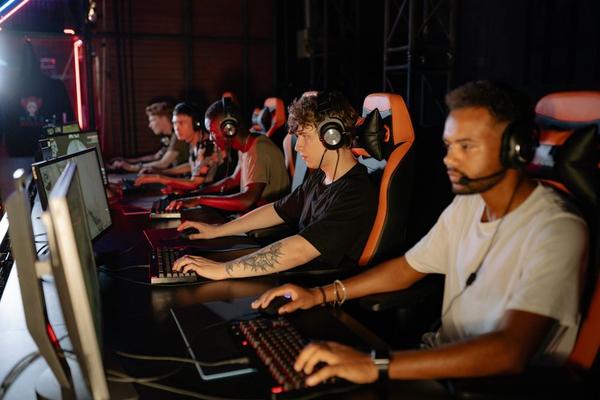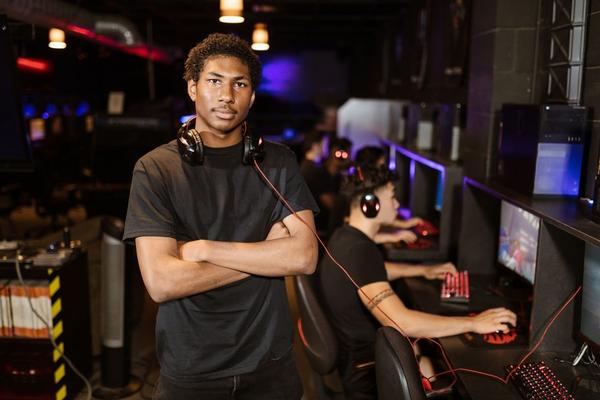
When people picture an esports career, they often imagine a professional player competing under bright stage lights. Yet a tournament would struggle to happen without coaches, analysts, camera operators, event organisers and the people keeping teams running behind the scenes. For anyone exploring esports careers in the UK, these less visible jobs may offer a more realistic starting point than trying to become an elite player.
The useful question is not simply whether you are good at games. It is which skills you enjoy using around them: explaining strategy, telling stories, troubleshooting technology, organising people or building an audience.
What jobs exist in UK esports beyond playing?
British Esports identifies pathways covering coaching, broadcasting, event production, marketing, community management and business operations. Employers may be esports teams, production agencies, venues, education providers or brands involved in tournaments. Job titles often overlap, especially in smaller organisations.
Coaches and performance analysts
An esports coach helps players improve communication, preparation and decision-making. Sessions may involve reviewing match footage, designing practice routines and managing team discussions. Game knowledge matters, but so does the ability to give constructive feedback.
Esports analyst jobs can be more research-focused. Analysts study patterns in matches, opponent tendencies and team performance, then turn observations into clear recommendations. A useful starter project is to review three competitive matches, track repeated mistakes and present a short report explaining the evidence.
Broadcasting, observing and production
Live tournaments need presenters, commentators, producers, replay operators, audio specialists, graphics teams and in-game observers who choose which gameplay viewers see. Esports production careers can therefore suit people who enjoy technical media work just as much as competitive gaming.
A beginner might learn OBS Studio, practise audio mixing and produce a community tournament stream. Save a recording demonstrating clean scene changes, readable graphics and reliable sound. Technical problem-solving under pressure is more persuasive than simply saying you love esports.
Event management and tournament operations
Someone must set schedules, communicate rules, handle registrations, coordinate referees, organise equipment and respond when matches run late. Online competitions require many of the same organisational skills as venue-based events.
For entry-level experience, help administer a school, university or community competition. Create a timetable, record results consistently and document how disputes were handled. That gives you evidence of operational skills.
Marketing, content and partnerships
Teams, organisers and sponsors need people who can reach fans. Roles include social media coordinator, video editor, journalist, community manager and partnerships executive. The work may involve short-form clips, interviews, sponsor reports or campaign analysis.
For a portfolio, choose a UK esports event and design a sample week of social posts. Explain the intended audience, formats and measures you would use to judge success. Never present speculative engagement figures as actual results.
Team and business operations
Behind competitive rosters are managers handling travel, schedules, budgets, contracts, safeguarding and communication with partners. Larger businesses may need finance, HR, legal or sales expertise. These positions often reward experience outside gaming rather than professional playing credentials.
How can you qualify for an esports career in the UK?
There is no single required qualification. British Esports highlights vocational esports courses, including Pearson BTEC options, while universities offer relevant courses in esports, media, events and related subjects. The National Careers Service also describes college and amateur competition pathways. Availability and entry requirements vary, so check providers directly.
Specialist study is only one route. Media production, business, computer science, sports coaching and event management all provide transferable skills. For some positions, a strong portfolio and reliability will matter more than the exact qualification title.
Choose practical experience that matches the job
Instead of joining every gaming society activity, select work that produces evidence. Aspiring casters can record commentary over permitted match footage; analysts can build review documents; organisers can run brackets and publish clear rules. Keep examples of your contribution and ask permission before sharing others’ material.
Guides to UK esports education pathways and introductory advice on how esports tournaments are organised can help you decide where to focus. When comparing a course, ask what production work, employer connections and placements it actually offers.
A realistic first project: help run a small tournament
Imagine a university society hosting an eight-team Rocket League competition. One person manages registrations and the bracket, another oversees the livestream, while a third writes match recaps and social updates. Someone also checks eligibility and makes sure teams know when to play.
Afterwards, each volunteer has a portfolio item: an operations plan, a broadcast reel or a content campaign. Record what went wrong and how you solved it, such as replacing a missing player or correcting an audio imbalance. Employers can evaluate specific decisions more easily than broad claims of enthusiasm.
Where should you look for esports jobs in the UK?
Search beyond the phrase esports jobs UK. Try broadcast assistant, tournament administrator, community coordinator, junior video editor, event operations assistant and partnerships executive. Openings may appear on employer career pages, general job boards, production company websites and British Esports careers resources.
Read descriptions carefully. Live events may involve evenings, weekends or travel. Some production work is freelance or tied to individual competitions rather than permanent employment. Check whether a listing offers paid work, expenses-only participation or unpaid volunteering before committing.
People researching careers in gaming in the UK should distinguish esports from game development. Communications and media skills can overlap, but building games requires different specialist expertise from running tournaments. A related guide to gaming industry career paths can help clarify the distinction.
What makes an applicant stand out?
A focused application connects your experience to the employer’s problem. If a broadcaster needs a junior operator, lead with examples of stable livestreams, not your in-game rank. If a team needs a community coordinator, show how you moderated discussions and handled feedback.
Make a concise portfolio with two or three completed projects, your contribution, tools used and lessons learned. Be ready to explain how you would respond to a practical setback. Communication, professionalism and safeguarding awareness matter wherever younger players or audiences are involved.
Frequently asked questions
Do I need to be a professional gamer to work in esports?
No. Broadcasting, marketing, administration, events and business operations use skills developed outside competitive play. Detailed game knowledge helps in coaching and analysis.
Are there entry-level esports jobs in the UK?
Yes, but vacancies may be competitive or project-based. Look for junior roles, relevant placements and legitimate event experience, including positions at businesses serving esports clients.
Is an esports degree necessary?
Not generally. Vocational qualifications and degrees can provide structure and connections, but practical evidence in media, events, analysis or business can also support an application. Compare costs and outcomes carefully.
Can esports work be remote?
Some analysis, editing, writing and community roles can be remote. Venue production, live-event logistics and certain team operations require attendance. Check expected travel in the job advert.
Build a career around a skill, not just a game
The strongest route into UK esports is often through a useful skill you can demonstrate repeatedly. Pick one role, complete a modest real project and show the outcome clearly. That approach widens your options across esports, media, events and the wider gaming industry, even when a dream position is not immediately available.