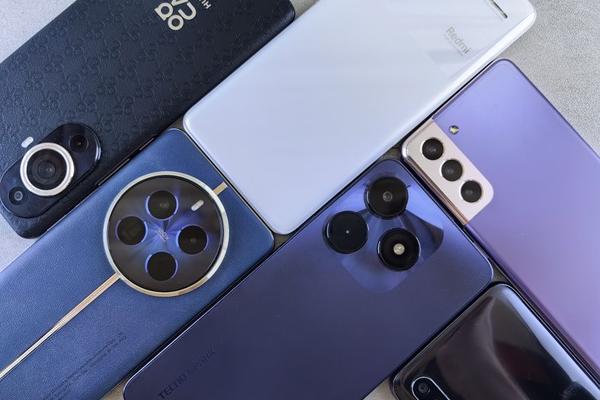
Camera phones in 2026 are no longer separated by megapixels alone. The real differences come from sensor size, lens quality, stabilisation, zoom hardware and the computational photography that turns several frames into one finished image. For UK buyers, the best choice also depends on what you actually shoot: children indoors, city breaks, wildlife, social video or professional-looking content.
The strongest current flagships all produce excellent daylight photos, so this comparison focuses on the areas that expose meaningful differences: low light, telephoto reach, moving subjects, portraits and video. Independent testing and current manufacturer specifications point to five phones that stand out for different kinds of photographers.
Best camera phones in the UK for 2026
Samsung Galaxy S26 Ultra: best all-round camera system
The Galaxy S26 Ultra is the safest all-round pick for photographers who want maximum flexibility. Its rear system combines a 200MP wide camera, 50MP ultra-wide, 50MP 5x telephoto and a separate 10MP 3x telephoto. That gives it a useful spread of focal lengths without relying entirely on digital cropping.
Samsung also widened the main camera aperture to f/1.4, while the 5x telephoto uses an f/2.9 lens. Those changes are aimed at cleaner low-light photography and video. Independent reviews have found the S26 Ultra competitive with the iPhone 17 Pro Max across many photo situations, while Samsung’s long zoom range remains a major advantage. If your idea of the best zoom phone camera involves concerts, travel details or distant architecture, this is one of the most versatile options.
iPhone 17 Pro and Pro Max: best for video and creators
Apple’s iPhone 17 Pro models use 48MP main, ultra-wide and telephoto rear cameras. The telephoto offers a native 4x view and an 8x optical-quality option created from the higher-resolution sensor. Still photography is consistently strong, especially in low light, but video is where the iPhone remains particularly attractive.
Support for ProRes RAW, Apple Log 2, strong stabilisation and reliable autofocus makes the iPhone 17 Pro a compelling camera phone for content creators. The 18MP Center Stage front camera is also useful for people who regularly film themselves. For creators already editing on a Mac or using iPhone-focused accessories, the workflow can matter as much as a small difference in still-image detail.
Google Pixel 10 Pro and Pro XL: best point-and-shoot choice
The Pixel 10 Pro family is built around Google’s computational photography. Hardware includes a 50MP main camera with a 1/1.3-inch sensor, a 48MP ultra-wide and a 48MP 5x telephoto. Google also offers Pro Zoom up to 100x, although the strongest results will naturally come at lower zoom levels where more real optical information is available.
The Pixel is especially appealing if you want the phone to make most decisions for you. Features such as Night Sight, Face Unblur, Best Take and Google’s editing tools reduce the amount of manual work needed after shooting. It is a strong contender for the best phone camera 2026 buyers can choose when natural everyday photography matters more than extensive manual controls.
OPPO Find X9 Pro: best for telephoto detail and creative control
The Find X9 Pro is one of the most interesting UK camera flagships because its 200MP Hasselblad telephoto uses a relatively large 1/1.56-inch sensor with an f/2.1 aperture. It sits alongside a 50MP main camera with a 1/1.28-inch sensor and a 50MP ultra-wide. The telephoto can also focus as close as 10cm, giving it unusual flexibility for detail shots.
OPPO supports 4K 120fps video, Log recording and manual controls, so the phone is not just about long-distance photography. Its combination of large camera sensors, strong telephoto hardware and creator-friendly video makes it a serious alternative to Samsung and Apple, particularly for photographers who like to adjust ISO, shutter speed and white balance themselves.
HONOR Magic8 Pro: best low-light telephoto alternative
HONOR’s Magic8 Pro pairs a 50MP main camera with a 1/1.3-inch sensor, a 50MP ultra-wide and a 200MP telephoto camera using a 1/1.4-inch sensor. The telephoto provides 3.7x optical zoom and optical stabilisation, while HONOR heavily emphasises night shooting and AI-assisted colour processing.
This makes the Magic8 Pro particularly interesting for evening city photography, portraits and stage shots where a brighter, larger telephoto sensor can help. Digital zoom claims should always be treated cautiously because maximum zoom figures do not equal maximum image quality, but the underlying telephoto hardware is substantial.
How to choose the right camera phone
Do not choose by megapixel count alone. A larger sensor and brighter lens can gather more light, while good stabilisation helps when shutter speeds drop. Telephoto cameras also matter more than headline digital zoom numbers. A dedicated 3x or 5x lens will usually give more dependable results than pushing a main camera to extreme magnification.
For a practical comparison, recreate the way you actually shoot. Take a portrait beside a window, photograph a moving person outdoors, shoot a dim restaurant scene, capture a building at 5x zoom and record a short 4K walking clip. Check skin tones, motion blur, highlight detail, focus changes and microphone quality rather than judging only one bright daytime photo.
If you mainly shoot family photos, the Pixel’s automated processing is easy to live with. For travel and long zoom, Samsung offers the broadest lens range. Video-first creators should look closely at the iPhone and OPPO. Readers comparing related devices may also find smartphone buying guides, phones for video creators and flagship Android comparisons useful next steps.
FAQ
Which phone has the best camera in the UK in 2026?
There is no single winner for every photographer. The Samsung Galaxy S26 Ultra is the strongest all-rounder for lens flexibility, the iPhone 17 Pro is excellent for video, the Pixel 10 Pro excels at easy computational photography, while OPPO and HONOR offer impressive telephoto hardware.
Does a 200MP phone camera always beat a 50MP camera?
No. Resolution is only one factor. Sensor size, lens aperture, stabilisation, autofocus, processing and the shooting conditions all influence the final image. Many high-resolution sensors also combine pixels for lower-resolution default photos.
Which camera phone is best for content creators?
The iPhone 17 Pro is especially strong for video workflow, stabilisation and professional recording formats. The OPPO Find X9 Pro is also compelling thanks to 4K 120fps recording, Log support and manual controls.
Which phone is best for zoom photography?
The Galaxy S26 Ultra is an excellent choice because it includes dedicated 3x and 5x telephoto cameras plus long-range computational zoom. The OPPO Find X9 Pro and HONOR Magic8 Pro are also strong alternatives with high-resolution telephoto sensors.
Which one should you buy?
For most buyers searching for the best camera phones UK 2026 has to offer, the Galaxy S26 Ultra provides the broadest photographic toolkit. Choose the iPhone 17 Pro if video and creator workflow matter most, the Pixel 10 Pro for effortless point-and-shoot results, OPPO for telephoto detail and manual creativity, or HONOR for a capable low-light zoom alternative. The best camera is ultimately the one that matches the scenes you shoot most often, not the model with the biggest number on its specification sheet.