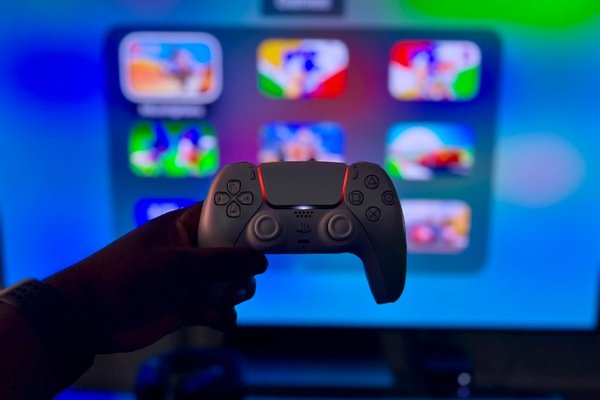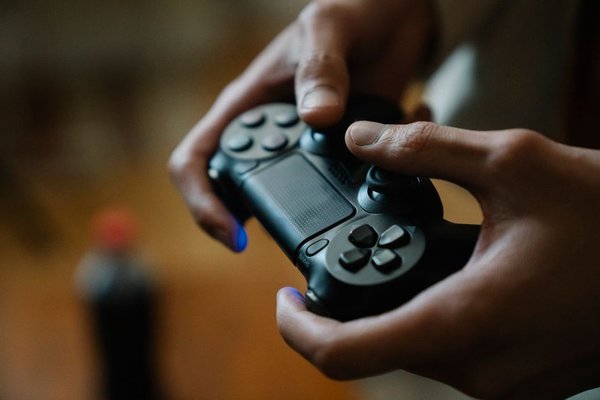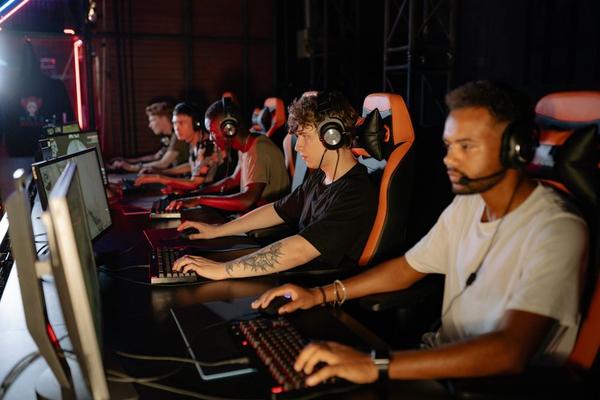
You have probably seen a crowded arena cheering for players seated at computers, or a live stream with commentators reacting to a last-second victory. That is esports: organized competition in video games. The excitement can resemble traditional sport, but understanding the action takes a little background. Different games have different objectives, teams prepare specific strategies, and tournaments turn individual matches into championships.
If you are wondering what is esports, the simplest answer is competitive gaming with agreed rules, identifiable opponents and a result that matters within an organized event. It can happen online, in a local venue or on a major stage. You do not have to be a skilled player to enjoy watching.
What Makes Gaming an Esport?
Not every multiplayer game session is esports. Friends competing after school are playing competitively, but an esports event typically adds a defined format, eligibility requirements, officials or administrators, and a published way to determine winners. Competitions range from community brackets to professional leagues.
Think of the difference between a casual football kickabout and a scheduled league fixture. Both involve the same basic activity; only one belongs to an organized competitive structure. The distinction also explains why high-level ranked matches are not automatically professional esports, even when the players are exceptionally good.
Which Video Games Are Played in Esports?
Competitive gaming is not one game or one style of play. Several genres have established tournament scenes, each rewarding a different mix of decision-making, execution and teamwork.
Team-based shooters
Games such as Counter-Strike 2 and VALORANT involve coordinated teams, precise aiming, positioning and tactical decisions. A round may be decided by controlling an area, completing an objective or eliminating opponents. Communication matters as much as individual reflexes.
Multiplayer online battle arenas
In League of Legends and Dota 2, players control distinct characters with different abilities. Teams manage resources, contest objectives and try to destroy an opposing base. Matches can reward patience, map awareness and coordinated timing rather than constant fighting.
Fighting games, sports games and other formats
Street Fighter tournaments emphasize one-on-one adaptation and execution. Rocket League combines driving and football-like goals, while competitive sports titles simulate familiar sporting contests. Strategy games and battle royale competitions add still more formats. A game’s popularity alone does not guarantee a stable esports scene; developer support, community interest and workable tournament rules also matter.
How Do Esports Matches and Tournaments Work?
Every title has its own win conditions. In a shooter, teams may alternate attacking and defending. In a multiplayer battle arena, destroying the opponent’s central structure can end a game. Tournament organizers publish rules covering schedules, eligibility, permitted equipment, penalties and dispute procedures.
Many esports tournaments use brackets, groups or league standings. A best-of-three series means the first side to win two games takes the match; a best-of-five requires three wins. Some competitions eliminate a team after one loss, while others give participants another chance through a lower bracket. The exact setup varies by event.
Here is a practical way to follow your first match: before the broadcast starts, find out the win condition, the series length and what happens to the loser. During play, look at the scoreboard and notice when the commentators mention objectives or economy. Those three clues make an unfamiliar match much easier to understand.
To explore how these formats change from event to event, a guide to esports tournament formats is a useful next read.
Who Is Involved in an Esports Team?
Esports teams are more than a collection of talented players. In team-based titles, players often specialize in distinct roles, although the names differ by game. Some lead strategic calls, others create openings, protect teammates or focus on particular areas of the map.
Coaches help review opponents and prepare strategies. Analysts study footage and performance data. At higher levels, managers handle scheduling, travel and administration, while event staff run matches independently. Not every amateur organization has all these positions, and some esports are primarily individual rather than team-based.
Practice is structured, too. Teams may scrimmage against other rosters, review recordings and work on particular situations. Playing more hours does not automatically mean improving; purposeful practice, rest and communication can be more useful than endless unplanned matches. A closer look at esports team roles can help you recognize what each competitor contributes.
Where Can You Watch Esports?
Many major competitions broadcast matches online through official channels on platforms such as Twitch and YouTube. Some events also welcome in-person audiences. Broadcasts usually feature commentators, on-screen scores, replays and an analyst desk to explain important decisions between games.
For a beginner, choose a game you already recognize and find its official competitive schedule. Start with highlights if a full series feels long. Watch a single player or one objective for several rounds instead of trying to understand every movement at once. Avoid assuming that every stream using a game’s name is an official tournament broadcast.
Can Ordinary Players Get Into Esports?
Yes, but there is a wide gap between enjoying ranked matches and earning a place in professional competition. A realistic starting route is to learn a game’s rules thoroughly, play its competitive mode, find reputable community events and review your own decisions after matches.
If you play VALORANT, for example, try communicating useful information rather than simply reporting that an opponent defeated you. Tell teammates where the opponent was seen, what abilities were used and whether the objective is threatened. That specific habit develops a skill teams value. Our guide to competitive gaming practice can help turn casual play into a more focused routine.
Playing professionally is not the only way to participate. Broadcasting, event production, coaching, commentary, design and community management are related activities, although paid opportunities are competitive and vary widely. Esports is an entertainment and competition ecosystem, not a guaranteed career path.
Frequently Asked Questions About Esports
Is esports the same as playing video games?
No. Esports is the organized competitive side of gaming. Casual play and ordinary ranked matches can build similar skills, but they do not necessarily operate within a formal tournament or league.
Do esports players compete in person?
Both online and in-person competitions exist. Some events begin with remote qualifiers and finish at a live venue. Organizers choose formats based on the game, event scale and practical considerations.
Is esports a real sport?
Esports clearly involves competition, training and skill, but whether it is classified as a sport depends on the organization or definition being used. You can understand and enjoy the competition without settling that terminology debate.
Can you watch esports without playing the game?
Absolutely. Knowing the objective and the match format is enough to start. Commentators and beginner-friendly highlights can help you understand tactics and appreciate standout plays over time.
The Best Way to Understand Esports
Esports explained simply is video gaming organized around meaningful competitive results. The games differ, but the basic appeal is recognizable: preparation, teamwork, individual skill and unpredictable moments under pressure. Choose one title, learn how a match is won, and watch a complete series. Once the structure clicks, the excitement becomes much easier to follow.