There’s a quiet moment most of us have experienced: a video buffering right at the climax, a file upload crawling when time matters, or a video call that freezes mid-sentence. In those moments, the invisible infrastructure behind our internet connection suddenly feels very real.
That’s where the debate around Ethernet vs fiber internet comes into focus. These aren’t just technical terms—they represent two very different ways of delivering data, each with its own strengths, quirks, and ideal use cases. Understanding the difference isn’t about chasing the fastest option blindly. It’s about knowing what fits your world.
Understanding What Ethernet Internet Really Means
Ethernet often gets misunderstood. Many people think of it as simply the cable plugged into a laptop or router. And while that’s true on a local level, Ethernet also plays a role in how internet connections are delivered in certain setups.
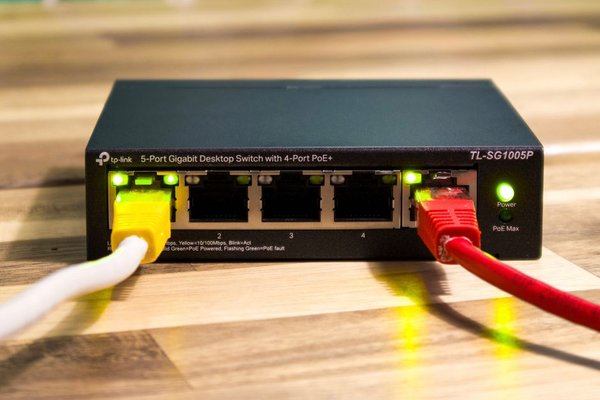
At its core, Ethernet uses copper cables to transmit data through electrical signals. These cables—often labeled as Cat5e, Cat6, or higher—are reliable, widely available, and have been the backbone of networking for decades.
In many homes and offices, Ethernet isn’t the internet source itself but the final leg of the journey. Internet service arrives through some external infrastructure, and Ethernet distributes it within the building. However, in some cases, especially with older or certain urban infrastructures, Ethernet-based connections may be used more directly.
There’s something reassuring about Ethernet. It’s tangible. You plug it in, and it works. No interference from walls, no signal drops from distance within reasonable limits. It’s steady, predictable, and often more than sufficient for everyday use.
The Nature of Fiber Internet and How It Differs
Fiber internet feels like a leap into the future, even though it’s been around for years. Instead of relying on electrical signals, fiber-optic cables transmit data using pulses of light. Yes—light.
These cables are made of thin strands of glass or plastic, capable of carrying enormous amounts of data at incredibly high speeds. The difference isn’t just incremental; it’s foundational.
Because fiber doesn’t rely on electricity, it avoids many of the limitations of copper cables. Signal degradation over distance is minimal, and interference from electromagnetic sources is virtually nonexistent. The result is a connection that feels almost effortless, even under heavy demand.
In practice, fiber internet tends to offer symmetrical speeds—meaning upload and download rates are similar. That’s a quiet but significant advantage, especially in a world where uploading is no longer a secondary activity.
Speed and Performance in Everyday Use
When comparing Ethernet vs fiber internet, speed is usually the first point people bring up. And it makes sense. Faster speeds translate into smoother experiences—at least in theory.
Ethernet connections, depending on the cable and infrastructure, can deliver impressive speeds. Modern setups using high-quality cables can handle gigabit speeds within a local network. For many households, that’s already more than enough.
Fiber, however, operates on a different level. It’s designed for scale. Speeds can reach multiple gigabits per second, and more importantly, they remain consistent even during peak usage times.
But here’s where things get interesting. Speed isn’t just about maximum numbers. It’s about consistency. Fiber tends to maintain its performance regardless of how many devices are connected or how far the data travels. Ethernet, while stable within a local environment, depends heavily on the broader infrastructure feeding it.
So while Ethernet can feel fast, fiber often feels seamless.
Reliability and Stability Over Time
There’s a certain kind of frustration that comes from an unreliable connection. Not slow—just inconsistent. That’s where reliability becomes more important than raw speed.
Ethernet connections are known for their stability, especially within controlled environments like homes and offices. Once connected, they rarely fluctuate. Physical cables don’t care about walls, weather, or interference in the same way wireless signals do.
Fiber takes reliability a step further. Because it uses light instead of electricity, it’s immune to electromagnetic interference. Weather conditions, which can sometimes affect traditional infrastructure, have less impact on fiber networks.
Over long distances, fiber maintains signal integrity far better than copper-based systems. This makes it particularly valuable in areas where data needs to travel significant distances without degradation.
In day-to-day life, this translates to fewer unexpected slowdowns, fewer interruptions, and a generally smoother experience.
Installation and Infrastructure Considerations
The difference between Ethernet and fiber isn’t just about performance—it’s also about how they’re deployed.
Ethernet is everywhere. Most buildings are already wired for it, or can be easily adapted. Installation is straightforward, relatively inexpensive, and doesn’t require specialized equipment beyond standard networking tools.
Fiber, on the other hand, demands more from the infrastructure. Laying fiber-optic cables involves careful handling, specialized equipment, and often significant upfront investment. This is why fiber availability can vary widely depending on location.
Once installed, though, fiber infrastructure tends to be more future-proof. It’s built to handle increasing data demands without requiring constant upgrades.
So while Ethernet wins on accessibility and simplicity, fiber represents a longer-term vision.
Latency and Real-Time Performance
Latency is one of those terms that doesn’t get enough attention until it matters. It’s the delay between sending a request and receiving a response. In activities like online gaming, video calls, or real-time collaboration, latency becomes crucial.
Ethernet connections generally offer low latency within local networks. They’re fast enough for most real-time applications and provide a stable environment for consistent performance.
Fiber, however, often achieves even lower latency, especially over longer distances. The speed of light—literally—allows data to travel faster and more efficiently. This reduces delays and creates a more responsive experience.
The difference might be subtle for casual users, but for those who rely on real-time interaction, it can be noticeable.
Security and Data Integrity
Security isn’t always the first thing people think about when comparing internet types, but it plays a role nonetheless.
Ethernet connections, being physical, are inherently secure within a local environment. Access typically requires a direct connection, which limits exposure. However, the broader network still depends on external infrastructure that may vary in security standards.
Fiber offers an additional layer of security due to its nature. Tapping into a fiber-optic cable is significantly more difficult than intercepting electrical signals from copper cables. Any attempt to do so usually disrupts the signal, making it easier to detect.
This makes fiber a preferred choice in environments where data integrity and security are critical.
Cost and Practical Accessibility
Cost often shapes decisions more than specifications. Ethernet-based setups are generally more affordable, both in terms of installation and maintenance. The technology is mature, widely available, and supported by a vast ecosystem.
Fiber, while becoming more accessible, still involves higher initial costs in many regions. Installation can be expensive, and availability may be limited depending on infrastructure development.
However, the long-term value of fiber lies in its scalability. As data demands grow, fiber networks are less likely to require upgrades, which can offset initial costs over time.
In practical terms, the choice often depends on what’s available and what feels reasonable within a given budget.
Choosing Between Ethernet vs Fiber Internet in Real Life
The decision between Ethernet and fiber isn’t about declaring a winner. It’s about context.
If your environment already supports fiber, and your usage involves heavy streaming, cloud work, or multiple connected devices, fiber can feel like a natural step forward. It offers speed, consistency, and a kind of quiet reliability that fades into the background.
On the other hand, Ethernet remains deeply relevant. For local networking, gaming setups, or environments where fiber isn’t available, it provides a dependable and efficient solution. It’s familiar, accessible, and still remarkably capable.
In many cases, the two aren’t mutually exclusive. Fiber may deliver the internet to your home, while Ethernet distributes it within your space. The real comparison isn’t always about choosing one over the other, but understanding how they work together.
A Final Reflection on the Bigger Picture
When we talk about Ethernet vs fiber internet, we’re really talking about evolution. One represents a tried-and-tested foundation; the other points toward a more expansive future.
Ethernet has earned its place through reliability and simplicity. It’s the quiet workhorse that keeps things running without demanding attention. Fiber, meanwhile, reflects a shift in how we think about connectivity—not just faster, but more fluid, more scalable, and more aligned with how we use the internet today.
The right choice isn’t universal. It depends on where you are, what you need, and how you expect those needs to grow. But understanding the difference changes how you see that buffering screen or that seamless video call.
And maybe that’s the point—not just choosing a connection, but knowing what’s behind it.