If you’ve built or upgraded a PC in the last decade, DDR4 RAM probably feels familiar—reliable, affordable, and good enough for almost everything. But technology doesn’t sit still. With DDR5 now firmly established in modern systems, many users are wondering whether it’s time to move on or if DDR4 still has plenty of life left.
This is where the conversation around DDR5 RAM vs DDR4 gets interesting. The difference isn’t just about speed numbers on a spec sheet. It’s about how computers are evolving, how software uses memory, and how future-proof you really need your system to be.
Let’s unpack what truly separates DDR5 from DDR4, beyond the marketing buzz, and help you make a decision that actually fits your needs.
Understanding What RAM Really Does
Before diving into generations, it helps to ground ourselves in what RAM actually is. Random Access Memory is your system’s short-term workspace. It’s where active programs, open browser tabs, games, and background processes live while your computer is running. Faster and more efficient RAM means your CPU spends less time waiting for data and more time doing actual work.
RAM doesn’t make a slow processor magically fast, but it can remove bottlenecks. As CPUs gain more cores and software becomes more parallel, memory architecture matters more than it used to.
A Quick Look at DDR4 and Its Legacy
DDR4 arrived around 2014 and became the standard for an entire generation of desktops, laptops, and servers. Over the years, it matured beautifully. Latencies improved, capacities increased, and prices dropped to the point where high-speed kits became accessible to everyday users.
For most people today, DDR4 feels “solved.” It’s stable, widely compatible, and performs consistently across gaming, productivity, and general use. Many of the best-performing systems over the last few years have relied entirely on DDR4 without breaking a sweat.
That long runway is part of why DDR4 is still relevant. It’s familiar, well-optimized, and supported by a massive ecosystem of hardware.
What DDR5 Brings to the Table
DDR5 isn’t just a faster DDR4. It’s a structural redesign aimed at keeping pace with modern computing demands.
One of the biggest shifts is bandwidth. DDR5 starts at much higher base speeds than DDR4 and scales far beyond what DDR4 can realistically achieve. This matters for workloads that move large amounts of data, such as content creation, scientific computing, and future game engines.
Another major change is how power is handled. DDR5 moves power management onto the memory module itself rather than relying entirely on the motherboard. This improves efficiency and stability, especially at higher speeds.
DDR5 also increases memory density. That means larger-capacity sticks are possible, opening the door for consumer systems with amounts of RAM that once belonged only in servers.
Performance Differences in Real-World Use
On paper, DDR5 often looks dramatically faster. In practice, the gap between DDR5 RAM vs DDR4 depends heavily on what you do with your computer.
For everyday tasks like web browsing, office work, streaming, or light multitasking, the difference is subtle. You’re unlikely to feel a night-and-day improvement just by switching RAM generations.
Gaming sits in the middle. Some modern games benefit from DDR5’s bandwidth, especially when paired with high-end CPUs and GPUs. Frame rates can improve slightly in CPU-bound scenarios, but it’s rarely transformative unless the rest of the system is equally powerful.
Where DDR5 really begins to justify itself is in professional workloads. Video editing, 3D rendering, large code compilations, virtual machines, and data-heavy applications can all benefit from higher bandwidth and better memory efficiency.
Latency, Speed, and the Misleading Numbers
One common source of confusion is latency. Early DDR5 kits often had higher latency numbers than mature DDR4 kits, which made comparisons tricky. Raw latency figures don’t tell the whole story, though.
DDR5 compensates with much higher transfer rates, meaning it moves more data per second even if each individual access takes slightly longer. As DDR5 matures, latencies are steadily improving, narrowing the gap further.
This is a reminder that RAM performance isn’t about a single number. It’s about how speed, latency, and architecture work together in real workloads.
Compatibility and Platform Considerations
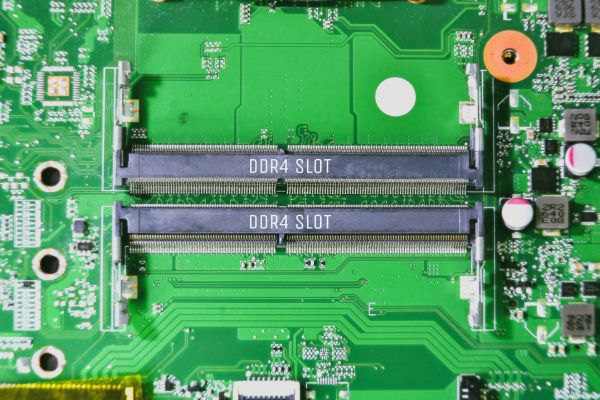
Perhaps the most practical difference between DDR5 RAM vs DDR4 is compatibility. You can’t just swap one for the other. Motherboards support one generation or the other, never both.
If you’re building a new system on a modern platform, DDR5 is increasingly the default choice. Newer CPUs are designed with DDR5 in mind, and future upgrades will almost certainly assume its presence.
If you’re upgrading an existing DDR4 system, the value proposition changes. Replacing the motherboard and possibly the CPU just to move to DDR5 rarely makes sense unless you were planning a full rebuild anyway.
Price and Value Over Time
Cost is where DDR4 still holds a strong position. DDR4 kits are generally cheaper, especially at higher capacities. For budget-conscious builders or those who want maximum performance per dollar today, DDR4 remains appealing.
DDR5 prices have dropped significantly since launch, but they’re still higher on average. That premium buys you access to newer technology and a longer upgrade runway, not necessarily better performance in every scenario right now.
Value, in this case, depends on how long you plan to keep your system and how likely you are to upgrade components down the line.
Future-Proofing Without Overthinking
Future-proofing is a tempting idea, but it’s often misunderstood. Choosing DDR5 doesn’t guarantee your system will stay fast forever. It simply aligns you with the direction the industry is heading.
As software, games, and operating systems evolve, they will increasingly assume higher memory bandwidth and capacity. DDR5 is designed for that future. DDR4 will continue to work, but it may eventually become the limiting factor in cutting-edge applications.
The key is balance. Future-proofing should support your real needs, not replace them.
Which One Makes Sense for You?
If you’re building a brand-new PC today and budget allows, DDR5 is the sensible long-term choice. It pairs naturally with modern platforms and positions your system for future workloads.
If you already have a capable DDR4 system, there’s no urgency to abandon it. DDR4 remains more than adequate for gaming, productivity, and everyday computing.
If you’re somewhere in between—planning an upgrade but watching costs—DDR4 can still deliver excellent performance, while DDR5 makes sense if you want to invest in newer architecture and keep your system relevant longer.
Final Thoughts on DDR5 RAM vs DDR4
The debate around DDR5 RAM vs DDR4 isn’t about which one is “better” in absolute terms. It’s about context, timing, and intent.
DDR4 represents maturity, stability, and value. DDR5 represents evolution, scalability, and what’s coming next. Neither choice is wrong. Each simply tells a different story about how you use your computer and how you plan for the future.
In the end, the best RAM is the one that quietly supports your work, your play, and your curiosity—without demanding attention. When that happens, you’ve chosen well.